100th Day of School: An Embroidery Design Review
As an experienced embroidery designer running a personalized gift shop, I am constantly evaluating new digital assets to ensure they meet the high standards my customers expect. When planning for the upcoming academic milestones, the 100th Day of School stands out as a significant event for teachers, students, and parents alike. Before adding this specific machine embroidery design to my production lineup, I conducted a thorough review to determine its viability for commercial use, giftability, and technical performance. This assessment is written from the perspective of a maker testing the waters before committing to real customer orders.
First Impressions and Emotional Appeal
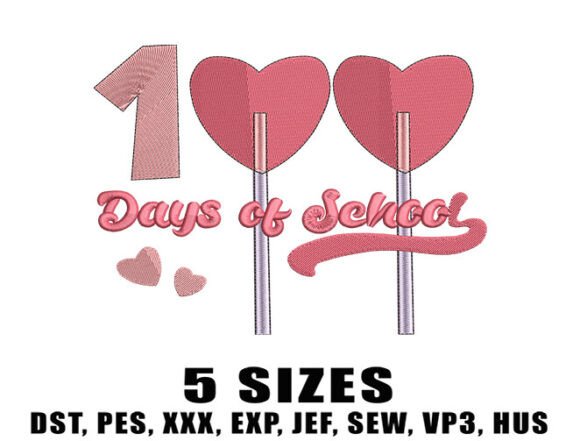
Upon loading the embroidery file into my software, the immediate impression is one of playful celebration. The design captures the specific joy associated with reaching the century mark in the school year. It feels modern yet nostalgic, striking a balance that appeals to both young learners and the adults purchasing the gifts. For an Etsy seller or small shop product creator, this emotional connection is vital. The design does not just say "100"; it conveys a sense of achievement and fun.
The charm lies in its versatility. While clearly categorized under Back To School, the aesthetic is clean enough to transition into general children's apparel or nursery decor. As a handmade product, it avoids looking overly clip-artish, which increases its perceived value. When I visualize this on a finished product, it evokes a warm, supportive feeling perfect for celebrating educational milestones. This emotional resonance is what transforms a simple stitch-out into a cherished keepsake rather than just another decorated item.
Real-World Application Scenarios
In my shop, I rarely sell a design without a specific end-use in mind. For the 100th Day of School design, I see three primary avenues for personalized gift creation that would resonate with my client base.
Teacher Appreciation and Classroom Decor
Teachers often want to commemorate this day with something tangible. An embroidered towel for the classroom sink or a custom tote bag for carrying supplies serves as both a functional item and a memory. Because this design adds a quirky accent, it works beautifully on aprons for art teachers or cooking classes. The key here is personalization; adding the teacher’s name or the specific year below the main design elevates it from generic merchandise to a thoughtful custom embroidery piece.
Student Milestones and Baby Embroidery
For younger students or even baby embroidery projects where siblings are included in the celebration, this design scales well. A pillow cover for a reading nook or a blanket embroidery project for a preschooler celebrating their first "100 days" creates a lasting family keepsake. Parents love documenting these moments, and a high-quality stitched item photographs better than a paper certificate. For wedding gift designers or family historians, incorporating school milestones into larger heritage quilts or memory blankets is also a unique niche application.
Craft Fair and Seasonal Inventory
If you are preparing for winter craft fairs, this design is a strong contender. It is seasonal but has a long shelf life within that season. Unlike holiday-specific items that expire on December 26th, the 100th Day of School typically falls between January and March, giving sellers a solid window for sales. It pairs excellently with other academic-themed items to create bundle listings on digital marketplaces.
Technical Considerations and Fabric Compatibility
A beautiful digitizing file can still fail if applied incorrectly. During my testing phase, I paid close attention to how this machine embroidery design interacts with different substrates. Not every fabric is suitable for every design, and knowing these limitations prevents costly mistakes.
- Textured Fabrics and Towels: If stitching an embroidered towel, the pile can swallow fine details. I recommend using a water-soluble topping to keep the stitches crisp. Test the stitch density first; if the design is too dense for terry cloth, it may cause puckering or stiffness.
- Stretchy Knits and Baby Clothes: For t-shirts or onesies, stabilization is non-negotiable. Stretchy fabrics require a cut-away stabilizer to prevent distortion. Always test on scrap fabric that matches the weight of your final garment. If the design has large fill areas, ensure it won't make the baby clothing uncomfortable or heavy.
- Dark vs. Light Fabrics: Thread colors pop differently depending on the background. Before running a production batch, compare light and dark fabric mockups. Some designs rely on contrast that disappears on black or navy fabric. You may need to adjust thread colors or add an underlay specifically for darker materials.
- Small Lettering and Details: If the design includes text celebrating the "100th" day, verify the legibility at smaller sizes. Reducing a design too much can cause satin stitches to merge or letters to become unreadable. Check the minimum recommended hoop size and do not go below it.
Enhancing Perceived Value and Customer Trust
For commercial embroidery businesses, the quality of the stitch-out directly correlates to customer trust. A skipped stitch or poor registration on a 100th Day of School item reflects poorly on the entire brand. When customers receive a flawless personalized gift, they are more likely to return for future holidays and milestones.
Product photography plays a massive role here. Do not rely solely on digital previews. Stitch out a sample on the actual fabric texture you intend to sell. Photograph the finished product in natural light to show the sheen of the threads and the dimensionality of the embroidery. Buyers engage more with listings that show real-world results rather than just the digital embroidery file. Highlighting the "handmade" aspect in your description reinforces the premium nature of the item compared to mass-produced screen printing.
Essential Pre-Production Checklist
Before listing this design or accepting custom orders, run through this practical checklist to ensure professional results:
- Verify Licensing: Confirm commercial licensing terms before selling finished products. Ensure you have the right to use the design for profit, especially if selling on platforms like Etsy.
- Check File Specifications: Review the provided hoop size and stitch count. Ensure your machine supports the format and dimensions required.
- Stabilizer Selection: Match the stabilizer to the fabric. Use tear-away for stable woven fabrics and cut-away for knits or stretchy materials.
- Thread Contrast Test: Verify visibility against your chosen fabric color. Adjust thread palette if necessary to maintain design integrity.
- Sample Stitch-Out: Never skip testing on scrap fabric. Check for registration issues, tension problems, or excessive density.
- Wash Testing: If the item requires frequent washing (like towels or baby clothes), wash and dry your sample to ensure durability.
- Mockup Creation: Create a printable mockup or digital preview for custom order approvals to manage customer expectations.
Final Thoughts for Makers
The 100th Day of School design offers a wonderful opportunity for embroidery makers to tap into a sentimental and celebratory market. Its blend of fun and function makes it suitable for everything from classroom gear to nursery keepsakes. By approaching this design with a critical eye toward fabric compatibility, stabilization, and commercial presentation, you can create products that delight customers and stand the test of time. Remember, successful custom embroidery is about more than just the file; it is about the care, testing, and expertise you bring to every stitch. Whether you are creating a wedding gift with a scholastic twist or a simple tote for a kindergartner, let your craftsmanship shine through in every detail.