Pencil Sharpener with Shavings: A Stitch-Out Review
As an embroidery designer who has stitched out countless school-themed motifs, I approach every new machine embroidery design with a critical eye. It is one thing to view a digital preview on a screen; it is entirely another to watch the needle navigate complex curves and color changes on actual fabric. When evaluating the Pencil Sharpener with Shavings design, my primary focus was not just on its aesthetic appeal for the Back To School season, but on its structural integrity as a viable product for small businesses and hobbyists alike. This review breaks down how this specific artwork translates from a digital embroidery file to a tangible, high-quality finished product.
First Impressions and Visual Personality
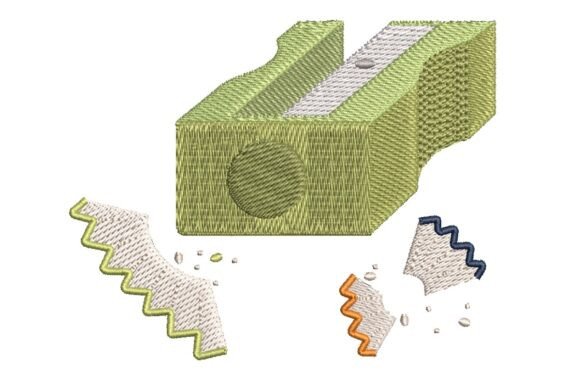
Upon loading the design into my software, the first thing that stood out was the deliberate color blocking. The green manual sharpener body paired with a silver blade creates a strong focal point, while the scattered yellow, green, orange, and blue shavings add necessary movement. In embroidery, static objects can sometimes look stiff or like a sticker slapped onto fabric. However, the organic, curling nature of the pencil shavings in this layout prevents that rigidity. The design possesses a playful yet precise personality that feels authentic to art supplies rather than a generic clip-art interpretation.
For an Etsy seller or craft business owner, this visual balance is crucial. The composition suggests motion and creativity, making it ideal for products meant to inspire. It does not feel overly juvenile, which expands its marketability beyond just elementary students to include artists, teachers, and stationery enthusiasts. The interplay between the solid fill areas of the sharpener and the finer details of the shavings indicates a thoughtful digitizing process, provided the stitch density has been managed correctly to prevent puckering.
Real-World Application: The Teacher Tote Test
To truly evaluate this design, I simulated a real client project: a custom canvas tote bag for a middle school art teacher. Canvas is a fantastic medium for tote bag design because it holds detail well, but it also demands proper stabilization. I wanted to see if the Pencil Sharpener with Shavings could serve as a centerpiece without overwhelming the bag or getting lost in the fabric texture.
During the stitch-out, the transition from the green body to the silver blade required careful attention to registration. If the machine is even slightly off, metallic or grey threads against bright green can show gaps. Fortunately, the design’s layout allows for natural overlap points that hide minor alignment shifts. The colorful shavings acted as excellent negative space fillers, balancing the weight of the heavy green sharpener. On the finished tote, the design read clearly from a distance, yet offered enough intricate detail to appreciate up close. This duality is exactly what drives customer trust and perceived value in personalized gift markets. A teacher receiving this bag sees a professional-grade item, not a homemade craft, which justifies a higher price point for your shop.
Fabric Compatibility and Stabilization Strategy
While this design shines on stable woven fabrics like canvas, denim, or twill, it requires strategic planning for other materials. As an experienced reviewer, I must emphasize that the varying stitch types likely present in the shavings versus the sharpener body will react differently to stretch.
- Sweatshirt Embroidery: If applying this to fleece or french terry, you must use a cut-away stabilizer and potentially a water-soluble topping. The pile of the fabric can swallow the thinner running stitches used for shaving details. Without topping, those delicate curls may disappear.
- Baby Embroidery: For onesies or bibs, check the overall size and density. A dense satin stitch border on a lightweight knit can cause the garment to sag. You may need to reduce the density or choose a lighter fill stitch variation if the digitizer offers options.
- Tea Towels and Linens: These are ideal substrates. The crispness of linen complements the geometric shape of the sharpener. However, ensure you use adequate tear-away or wash-away stabilizer to prevent the open weave of the towel from distorting the circular elements.
I would advise caution when using this design on highly textured fabrics like terry cloth or boucle unless you are experienced with heavy toppings. The fine details of the pencil shavings are the star of the show, and losing them to fabric texture diminishes the design's impact.
Technical Considerations for Commercial Use
For those selling finished products or using this as part of a larger collection of design assets, technical due diligence is non-negotiable. Before listing any item featuring Pencil Sharpener with Shavings, verify the following:
- Hoop Size Verification: Do not assume the design fits your standard 4x4 hoop based on the thumbnail. Measure the actual dimensions in your software. The trailing shavings often extend the width significantly beyond the main object. Resizing should be done conservatively to maintain stitch integrity.
- Thread Color Contrast: Test the silver blade thread against the green body on scrap fabric first. Some silver threads are darker or lighter than expected. Ensure there is enough contrast so the blade doesn't blend into the shadows of the green fill stitch.
- Licensing Check: Always confirm whether your purchase includes commercial rights for physical products versus digital redistribution. As a small shop product, you want to ensure you are legally clear to sell embroidered totes or apparel, even if you cannot resell the file itself.
- Mockup Accuracy: When creating a printable mockup for your online listing, do not simply overlay the digital image. Use a photo of an actual stitch-out or a high-fidelity 3D render that accounts for thread sheen. Customers need to see how the light hits the satin stitches versus the matte fills.
Expanding Beyond the Classroom
While categorized under Back To School, limiting this design to September sales is a missed opportunity. The Pencil Sharpener with Shavings motif is fundamentally about creation and preparation. I have seen similar concepts work beautifully for artist studio branding, writer’s retreat merchandise, and even quirky office decor.
Consider using this as an embroidered patch for denim jackets or backpacks. The self-contained shape makes it perfect for patch creation, provided you add a merrowed edge or satin border. Alternatively, for holiday embroidery, this design pairs surprisingly well with "making lists" themes for Christmas or creative resolution themes for the New Year. By viewing the design through the lens of utility and creativity rather than just academics, you extend the shelf life of your inventory and keep your commercial embroidery offerings fresh year-round.
Final Verdict for Makers
The Pencil Sharpener with Shavings design is a robust candidate for both personal projects and commercial catalogs. Its strength lies in the dynamic composition that balances solid geometry with organic whimsy. However, success depends entirely on respecting the technical requirements of the substrate. It is not a "set it and forget it" file for every fabric type, but when matched with the right stabilizer and material, it delivers a professional, engaging result that resonates with buyers. Whether you are stitching a custom apron for an art teacher or building a niche stationery brand, this design offers the visual charm and structural versatility needed to elevate your handmade business.