Apple with School Supplies: Merch Review
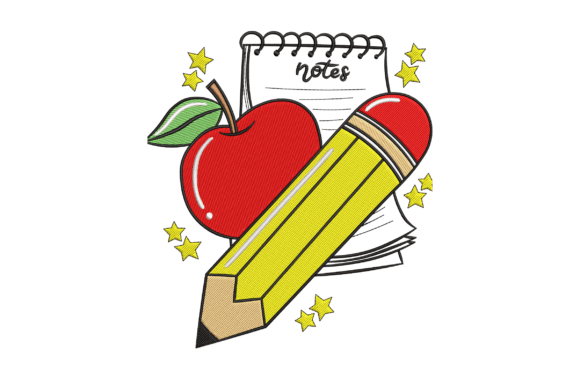
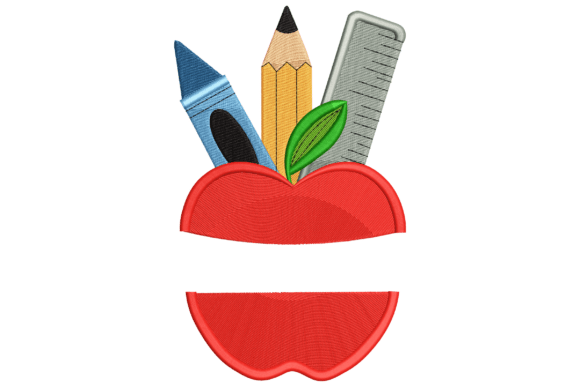
As a professional embroidery designer evaluating assets for commercial production, my first impression of the Apple with School Supplies design is that it strikes a necessary balance between playful nostalgia and structured clarity. For small business owners and apparel decorators, this distinction is critical. While the product description highlights its use for home decor and t-shirts, my review focuses strictly on its viability for branded merchandise, staff uniforms, and retail products. The visual personality reads as friendly yet organized, making it an excellent candidate for educational institutions, tutoring centers, children’s boutiques, and family-oriented cafés launching a Back To School collection. It avoids looking overly juvenile, which allows it to transition smoothly into professional custom apparel and small business merch without alienating adult customers or staff members.
Commercial Viability for Branded Merchandise
When integrating Apple with School Supplies into a business inventory, versatility is the primary metric. This machine embroidery design performs exceptionally well across various high-traffic items. For a local bookstore or coffee shop, this design serves as an ideal seasonal accent on canvas tote bags. The imagery is distinct enough to be recognizable from a distance, which is essential for walking advertisements. In terms of apron embroidery, the design sits comfortably on chest pockets or upper bibs, providing a cohesive look for staff during autumn promotions or educational events.
For Etsy sellers and handmade brands, this asset offers significant value in creating niche-specific products. A tutor or homeschool consultant could use this design on polo shirts or sweatshirts to establish immediate visual trust with parents. The "school supplies" element adds context that a simple apple icon lacks, signaling specific services rather than generic fall aesthetics. Furthermore, when producing embroidered patches for resale or branding, the composition appears balanced enough to work within standard patch borders, provided the digitizing supports clean edges. This makes it a strong contender for iron-on patches sold as standalone accessories or added value to backpacks and pencil cases.
Technical Considerations for Caps and Small Formats
Despite its charm, Apple with School Supplies requires careful technical evaluation before mass production on complex surfaces. As an experienced digitizer, I advise caution when applying this design to structured caps. Cap embroidery demands specific digitizing parameters to accommodate the curved surface and limited vertical space. If the school supplies elements are stacked vertically or contain minute details like eraser tips or pencil lead, they may not translate well to headwear without modification. Always verify if the embroidery file includes a cap-specific version or if the design height fits within your cap frame’s safe zone.
Similarly, sizing down for sleeve cuffs or pocket logos introduces risks regarding stitch density. Intricate school supply illustrations often rely on fine lines. When reduced below three inches, these lines can become muddy or cause fabric puckering if the density is too high. Before committing to a production run on performance wear or textured fabrics like pique polos, you must test the design at the intended final size. Dark uniforms present another challenge; ensure the thread colors have sufficient contrast against navy or black fabric so the supplies remain visible. A design that looks vibrant on screen may disappear on dark garments without proper underlay or color adjustment.
Impact on Brand Identity and Customer Perception
The choice of Apple with School Supplies directly influences how customers perceive a brand's professionalism and attention to detail. In the competitive landscape of commercial embroidery, crisp execution signals quality. A well-rendered apple motif suggests care and tradition, values that resonate deeply with parents and educators. However, poor execution—such as misregistered outlines or thread breaks in detailed areas—can undermine that trust instantly. This design acts as a visual anchor for brand identity, particularly for businesses wanting to emphasize learning, growth, or community support.
For creative studios and florists, incorporating this design into packaging accents or gift tags elevates the unboxing experience. It transforms a standard transaction into a themed interaction, increasing the perceived value of the handmade product. Consistency is key here; using the same design assets across aprons, signage, and digital platforms creates a unified aesthetic that boosts recognition. When customers see the same high-quality embroidery on a staff member’s shirt and a promotional tote bag, it reinforces brand legitimacy and encourages engagement.
Essential Designer Notes for Production Success
To maximize the return on investment for this digital embroidery file, follow these practical testing protocols before full-scale production:
- Verify Licensing: Confirm the commercial license terms specifically allow for selling finished embroidered goods or branded merchandise. Do not assume personal-use files cover business applications.
- Check Hoop Compatibility: Measure the actual design dimensions against your available hoops. Ensure there is adequate clearance for the hoop foot to prevent collisions during stitching, especially on bulky items like bags.
- Test Stabilizer Pairings: Run samples on the exact fabric texture you intend to use. Lightweight cottons may require tear-away backing, while stretchy knits or cap fronts need specialized cut-away or adhesive stabilizers to maintain registration.
- Evaluate Color Contrast: Stitch out a grayscale version first to check tonal separation. If the apple and supplies blend together in black and white, they will likely lack definition in color on similar-toned fabrics.
- Create Client Mockups: Use a printable mockup or digital overlay to get client approval on placement and scale before hooping expensive inventory. This manages expectations regarding detail loss at smaller sizes.
- Inspect Spacing and Jump Stitches: Review the file for excessive jump stitches between the apple and individual supplies. Trimming time affects profitability; optimize the stitch path if possible to reduce manual labor.
- Wash Test Durability: If the item requires frequent laundering (like uniforms or kitchen towels), wash the sample three times to ensure the design holds up without distortion or fraying.
Ultimately, Apple with School Supplies is a versatile asset for the right niche. Its success in a commercial setting depends less on the artwork itself and more on the decorator's diligence in testing and application. By treating this design as a professional component of custom apparel rather than just a seasonal decoration, small businesses can create merchandise that feels intentional, durable, and authentically aligned with their brand values. Always prioritize physical sampling over digital assumptions to ensure the finished product meets the rigorous standards your customers expect.