Booktrovert Embroidery Files: Apparel Design Review
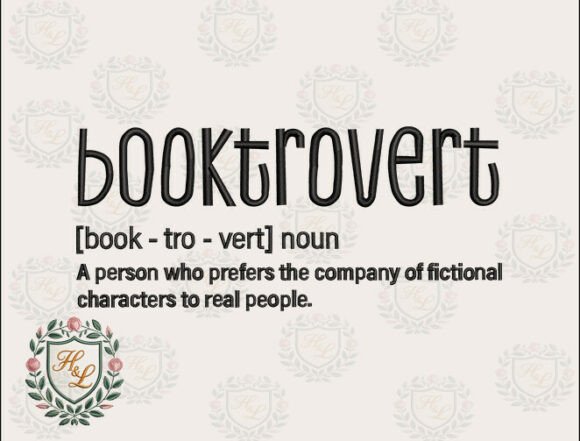
As an embroidery designer constantly scouting for versatile assets for boutique apparel collections, I approach every new digital download with a critical eye. When preparing a seasonal lineup of sweatshirts and cozy wear, the Booktrovert Embroidery Files caught my attention as a potential centerpiece for a niche capsule collection. This review breaks down how this specific machine embroidery design performs in a real-world production environment, focusing on its viability for commercial embroidery, custom apparel, and handmade product lines targeting readers and students.
Visual Personality and Stitching Mood
The first impression of the Booktrovert Embroidery Files is one of nostalgic warmth combined with modern readability. For a boutique brand, visual personality is everything; customers are not just buying a garment, they are buying an identity. This design strikes a balance between playful and sophisticated, making it suitable for both Back To School merchandise and year-round lifestyle apparel. The appliqué elements provide necessary texture without overwhelming the garment, creating a tactile experience that flat prints simply cannot replicate.
From a design judgment perspective, the stitching mood feels intentional rather than generic. It avoids the overly cartoonish aesthetic that can sometimes cheapen a finished product, leaning instead toward a classic, collegiate-inspired vibe. This makes it particularly valuable for Etsy sellers and small shop owners who want to offer premium-feeling items at accessible price points. The lettering appears legible from a distance, which is crucial for social media graphics and lifestyle product photos where detail can often get lost.
Performance Across Garment Types
When integrating this embroidery file into a production schedule, versatility is key. I evaluated how this design translates across various substrates commonly used in small business apparel lines.
- Sweatshirt Embroidery: On neutral-toned crewnecks, the design serves as an excellent center chest placement. The contrast between the appliqué fabric and the fleece base creates depth. However, because sweatshirts have significant loft, proper stabilizer choice is non-negotiable to prevent tunneling.
- Hoodie Design: For hoodies, this file works beautifully as a left-chest logo or a smaller back-neck accent. The scale allows for flexibility; it does not compete with the hood’s bulk or kangaroo pocket seams.
- Tote Bags and Accessories: Beyond apparel, this design is structurally sound for canvas tote bags. The stitch density appears appropriate for unstructured fabrics, reducing the risk of puckering on open-weave materials.
- Denim Jackets: The "book lover" theme pairs naturally with denim. The design has enough decorative strength to stand out against the indigo texture, making it ideal for custom back panels or sleeve accents.
Strategic Placement and Fabric Considerations
While the Booktrovert Embroidery Files are robust, professional results depend heavily on placement strategy. As decorators, we must respect the physics of the garment. Here are specific areas requiring careful attention during production:
Navigating Stretchy and Ribbed Fabrics
If you plan to use this on ribbed cuffs or highly elastic performance blends, proceed with caution. Appliqué designs require a stable foundation. On stretchy fabric, even high-quality digitizing can distort if the hooping tension is too tight or the stabilizer is insufficient. Always test on scrap fabric that matches your production garment's weight and stretch percentage before committing to a full run.
Dark Garments and Thread Contrast
This design likely relies on color blocking for its visual impact. When moving from light to dark apparel, verify your thread colors against the fabric swatch. A design that pops on heather grey might disappear on navy blue unless you adjust the outline or appliqué material color. For dark garments, consider using a lighter tear-away topping to ensure crisp edges and prevent the fabric texture from bleeding through the stitches.
Curved Surfaces and Hoop Size
Embroidering near seams, collars, or curved hemlines requires precise hoop size selection. Ensure the Booktrovert Embroidery Files fit comfortably within your hoop with adequate clearance for the presser foot. Crowding the hoop leads to registration errors. If placing this design on a curved yoke or sleeve, use a specialty hoop or magnetic frame to maintain consistent fabric tension without distorting the garment's shape.
Elevating Brand Value and Buyer Trust
In the competitive landscape of digital sellers and creative entrepreneurs, product recognition drives repeat business. Using cohesive, high-quality designs like Booktrovert helps establish a recognizable brand identity. When customers see consistent stitch quality and thoughtful placement across your listings, it builds buyer trust. They understand they are purchasing a professional handmade product, not a rushed craft project.
Furthermore, this design supports effective marketing. Because the aesthetic is distinct, it photographs well for printable mockups and Etsy listings. Clear, well-lit images of the actual embroidered texture (rather than just digital renders) significantly increase customer engagement. Showing the design on multiple garment types demonstrates value and helps buyers visualize the item in their own wardrobe.
Essential Designer Notes for Production
Before adding this embroidery file to your commercial inventory, adhere to these professional best practices to ensure safety and quality:
- Verify Licensing Terms: Always check the specific Creative Fabrica product details regarding commercial use. Confirm whether you can sell physical embroidered items, digital files, or both. Licensing protects your business and respects the original digitizer.
- Confirm Technical Specs: Do not assume compatibility. Check the included formats (PES, DST, JEF, etc.) against your machine’s requirements. Verify the exact dimensions to ensure the design fits your intended placement area without resizing, which can alter stitch density and cause tension issues.
- Stabilizer Testing: Never skip the test stitch-out. Use the exact stabilizer combination you intend for production. Inspect the back of the test piece; excessive jump stitches or bobbin thread showing on top indicates a need for tension adjustment or a different stabilizer weight.
- Thread Color Validation: Digital screen colors rarely match physical thread perfectly. Create a physical color chart for this specific design. Note which thread brands and numbers yield the best contrast for your core apparel colors.
- Fabric Texture Matching: The description mentions suitability for shirts and pillows, but always validate against your specific apparel blanks. A design optimized for quilting cotton may need modification for heavy French terry or lightweight bamboo jersey.
Final Thoughts for Apparel Decorators
The Booktrovert Embroidery Files represent a strong opportunity for boutiques and makers focusing on literary, academic, or cozy aesthetic niches. Its strength lies in its adaptability across sweatshirt embroidery, tote bags, and seasonal decor. By treating this digital asset with professional rigor—testing thoroughly, respecting fabric limitations, and verifying all technical and licensing details—you can transform a simple embroidery file into a cornerstone of a profitable, high-quality apparel collection. Whether you are launching a Back To School line or expanding your evergreen catalog, this design offers the visual appeal and structural integrity needed for successful commercial embroidery products.