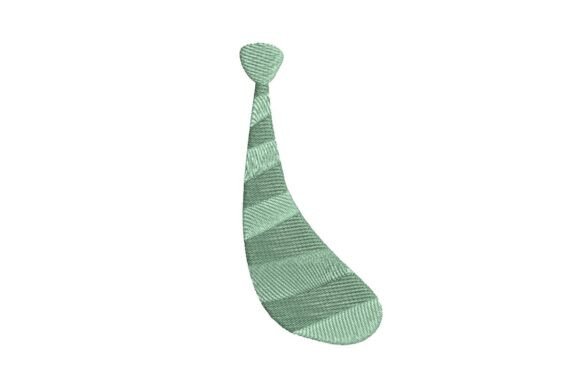
Green Striped Necktie: An Embroidery Design Review
As a professional embroidery designer constantly sourcing reliable assets for commercial projects, I approach every new machine embroidery design with a critical eye. When browsing Creative Fabrica embroidery collections for upcoming custom apparel orders, the Green Striped Necktie caught my attention. It is not merely a digital graphic; it is a specialized embroidery file intended to replicate the texture and drape of fabric through thread. After evaluating this design for potential use in real-world handmade products, here is my honest assessment of its performance, versatility, and value for fellow creators and small business owners.
First Impressions and Visual Character
The immediate appeal of the Green Striped Necktie lies in its sophisticated simplicity. Unlike cartoonish or overly stylized tie graphics, this design aims for a classic aesthetic. The description notes a gently curved shape rendered in shades of light green, with stripes created by stitching texture rather than simple color blocking. From a digitizing perspective, this is a crucial distinction. Creating stripes through stitch direction and density variation requires skill. If done poorly, the result looks flat or pixelated. However, this design appears to utilize the interplay of fill stitch and directional stitching to mimic the sheen and weave of actual silk or polyester neckwear.
The gentle curve suggests movement, preventing the design from looking like a stiff rectangle pasted onto a garment. For an embroidery designer, this organic shape is far more forgiving on fabric than rigid geometric lines. The light green palette offers a fresh, preppy, or vintage mood depending on the surrounding elements, making it a versatile asset for various niches within the Accessories category.
Real-World Application: Custom Apparel and Gifts
I evaluated this design specifically with a client order in mind: a series of personalized gifts for a groomsmen party and matching nursery decor. In these scenarios, the Green Striped Necktie serves as a central motif that bridges masculine tradition with modern handmade warmth.
For custom apparel, such as sweatshirts or polo shirts, the design’s size and proportion are paramount. A tie design must scale correctly to avoid looking like a costume piece. This specific file seems optimized for standard adult placement, likely fitting well within common hoop size constraints without requiring excessive resizing that could distort the delicate stripe texture. On a tote bag design, the curved silhouette adds visual interest against the typically boxy canvas background, breaking up negative space effectively.
In the realm of baby items and nursery decor, the light green shade is perfect for gender-neutral themes or soft boy aesthetics. Stitching this onto a baby blanket or pillow cover transforms a generic textile into a cherished keepsake. Because the stripes are textural, the design maintains visual depth even when using monochromatic thread colors, which is essential for high-end boutique merchandise where subtle details signal quality.
Technical Performance and Stitch Integrity
Any experienced crafter knows that a pretty screen image does not guarantee a clean stitch-out. When working with the Green Striped Necktie, several technical factors demand attention during production.
Managing Stitch Density and Texture
The defining feature of this design—the textured stripes—is also its most technically sensitive area. Textural effects often rely on varying stitch density. If you attempt to resize this digital embroidery file significantly smaller, those textural nuances may collapse into a muddy fill. Conversely, enlarging it too much might expose gaps between stitch columns. I strongly advise testing the design at your intended final size before committing to a finished product. Always verify the original dimensions listed on the Creative Fabrica product page to understand the digitizer's intended scale.
Stabilization Strategies
Because the design features curved lines and potential density variations, proper stabilization is non-negotiable. On stretchy fabrics like jersey knits for sweatshirt embroidery, a cut-away stabilizer is essential to prevent the tie shape from warping or puckering during the wash. For woven fabrics like kitchen towels or aprons, a medium-weight tear-away may suffice, but always consider the fabric weight relative to the design density. If the Green Striped Necktie includes dense satin stitch borders or intricate internal detailing, you may need to adjust your needle size or top thread tension to ensure the texture remains crisp rather than buried.
Thread Color Selection
While the design specifies shades of light green, the success of the striped effect depends heavily on contrast. If you substitute threads, ensure there is sufficient value difference between the base and stripe colors. Low-contrast thread choices will flatten the design, negating the textural work the digitizer performed. I recommend comparing light and dark fabric mockups before stitching; a light green tie on white fabric requires different outlining or shading strategies than on navy blue cotton.
Commercial Viability and Product Value
For Etsy sellers and creative entrepreneurs, the Green Striped Necktie offers distinct commercial advantages. In the saturated market of personalized gift items, professional-grade embroidery stands out. Buyers can distinguish between a clip-art outline and a design that understands thread physics. This level of detail builds buyer trust and justifies premium pricing for handmade goods.
Furthermore, this design supports brand consistency. If you are building a shop around classic menswear accessories or traditional nursery themes, having a cohesive library of high-quality design assets ensures your product photography looks unified. The tie motif pairs exceptionally well with other classic embroidery elements like monograms, anchors, or crests, allowing for easy bundling in listings.
When creating printable mockups for social media or listing images, the realistic rendering of this tie helps customers visualize the final outcome accurately. This reduces return rates and customer service inquiries regarding design appearance. Just remember to confirm the licensing terms on the Creative Fabrica product page before selling finished items or incorporating the design into commercial bundles.
Practical Checklist for Embroiderers
Before loading the Green Striped Necktie into your machine for a paid order, run through this practical evaluation checklist:
- Verify File Details: Check the included formats and native hoop size on the product page to ensure compatibility with your machine and project requirements.
- Test on Scrap Fabric: Never skip this step. Use a fabric scrap identical to your final project to check registration, density, and texture clarity.
- Assess Stabilizer Needs: Match your stabilizer choice to both the fabric type and the specific density of the tie design.
- Review Thread Contrast: Ensure your selected thread colors maintain the visibility of the striped pattern.
- Inspect Small Details: After the test stitch-out, examine the curves and edges. If they are pulling or gapping, adjust your hooping technique or add topping.
- Confirm Licensing: Double-check that your intended commercial use aligns with the creator’s license terms.
Final Thoughts for Designers
The Green Striped Necktie represents a thoughtful addition to any embroidery designer’s library. It balances decorative appeal with technical consideration, offering a realistic interpretation of a classic accessory through thread. Whether you are stitching commercial embroidery for a wedding party, creating inventory for a craft fair, or designing a unique embroidered patch, this file provides a solid foundation. By respecting the technical requirements of textured embroidery and verifying the specifics of the embroidery file before production, you can leverage this design to create professional, high-value handmade products that resonate with customers seeking quality and charm.