Helping Little Minds to Grow Wildflower Review
As an embroidery designer who regularly tests digital files before committing them to client projects, I approach every new machine embroidery design with a critical eye. It is not enough for a graphic to look charming on a screen; it must translate into clean stitches, appropriate density, and commercial viability. When evaluating the "Helping Little Minds to Grow Wildflower" design, my primary focus was how this specific artwork bridges the gap between educational sentiment and botanical aesthetics. This review breaks down the practical realities of stitching this file for real-world applications, from teacher appreciation gifts to boutique inventory.
First Impressions: Balancing Whimsy and Structure
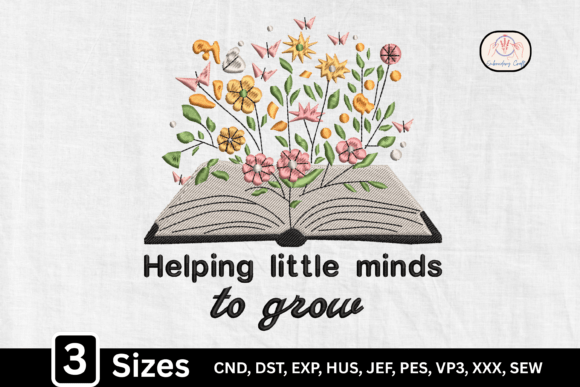
The initial visual impact of Helping Little Minds to Grow Wildflower strikes a careful balance. In the School category, designs often lean too heavily into cartoonish clip art or rigid academic symbols. This design, however, uses the wildflower motif to soften the message while maintaining a structured layout suitable for professional custom apparel. The integration of floral elements suggests growth and organic development, which resonates deeply with parents and educators alike.
From a digitizing perspective, the layout appears optimized for standard hooping. The text placement relative to the botanical accents suggests that the digitizer considered registration issues. When text and detailed florals interact, there is always a risk of misalignment if the stitch density is too high or the pull compensation is inadequate. Visually, this design feels like it belongs on natural fibers—linen tea towels, cotton canvas tote bags, or heathered sweatshirts—rather than synthetic performance wear. It evokes a handmade, cottage-core aesthetic that is currently trending in the Etsy seller community.
Real-World Application: The Teacher Tote Bag Test
To truly evaluate this embroidery file, I mentally placed it in a specific production scenario: creating a premium canvas tote bag for a teacher appreciation line. This is a common project for craft business owners and requires a design that looks substantial without distorting the fabric.
For a tote bag design, Helping Little Minds to Grow Wildflower offers excellent versatility. The wildflower elements likely utilize a combination of satin stitch for definition and fill stitch for coverage. On unstructured canvas, this mix is crucial. A solid fill can make a tote bag stiff and board-like, while too much running stitch detail might get lost in the fabric weave. This design’s aesthetic suggests it has enough open space to remain soft to the touch, which is a key selling point for high-end handmade products.
If you are producing these for sale, consider the colorway. While the design likely includes specific thread colors, testing a monochromatic or tone-on-tone version (e.g., sage green thread on oatmeal canvas) can elevate the perceived value. This variation appeals to customers looking for subtle, sophisticated personalized gifts rather than bright, primary-colored school gear. As a digital embroidery file, having the flexibility to recolor the florals without losing legibility is a major asset for shop owners expanding their product range.
Fabric Considerations and Stabilizer Strategy
While this design is versatile, it demands respect for fabric physics. Based on the intricate nature of wildflower petals and script-style typography often found in this genre, here are my technical cautions:
- Stretchy Fabrics: If applying this to a knit sweatshirt or baby onesie, you must use a high-quality cut-away stabilizer. The combination of floral details and text creates multiple stress points. Without proper support, the letters may distort or the flowers may pucker after washing.
- Textured Materials: On terry cloth towels or fleece blankets, the fine details of the wildflowers could sink into the pile. Use a water-soluble topping to keep the stitches crisp. This is non-negotiable for baby embroidery items where clarity equals quality.
- Sheer or Lightweight Fabrics: Be cautious when placing this on gauze or light voile. Check the total stitch count and density. If the design is dense, it may cause tearing. Always test on a scrap piece of the exact fabric texture you intend to use.
- Dark Fabrics: Ensure the design includes adequate underlay for contrast. Light-colored wildflowers on navy denim require a solid foundation to prevent the dark fabric from showing through the stitches.
Commercial Viability for Makers and Sellers
For small shop product lines, Helping Little Minds to Grow Wildflower serves as a strong anchor item. It fits perfectly into seasonal niches like back-to-school, end-of-year celebrations, and literacy-themed events. However, its appeal extends beyond the classroom. The botanical theme makes it appropriate for library volunteers, homeschool co-ops, and children’s book themed nurseries.
When listing finished items online, your printable mockup should accurately reflect the stitch texture. Avoid flat vector overlays. Customers buying commercial embroidery products want to see how the thread interacts with the material. Because this design carries a specific emotional message, photographing it in context—such as being held by a child or resting on a stack of books—will drive higher engagement than a plain white background shot.
If you are selling the embroidered patch version of this design, ensure your merrow edge or border stitch encapsulates the outermost floral elements securely. Patches undergo significant wear, and loose satin stitches at the perimeter are a common failure point in design assets adapted for this purpose.
Critical Pre-Stitch Checklist
Before loading this file into your machine for a paid order, adhere to this professional workflow. The provided formats (DST, PES, EXP, JEF, VP3, HUS, XXX) cover most major machines, but conversion can sometimes alter stitch properties.
- Verify Hoop Size: Confirm the physical dimensions of the design against your available hoops. Do not rely solely on the file name. Measure the design in your software to ensure it fits within your machine’s safe stitching area with adequate margin for the presser foot.
- Test Stitch Out: Never skip this step. Run a test on scrap fabric that matches your final project weight. Inspect the registration between the text and the wildflowers. Check for thread breaks or excessive jumps.
- Review Licensing: While the file is available for purchase, always double-check the specific license terms regarding finished product sales versus digital redistribution. Protecting your business means respecting intellectual property boundaries.
- Contrast Check: View the design in black and white within your software. This reveals whether the design relies entirely on color contrast or if the stitch types provide sufficient tonal separation. Good digitizing stands up even without color.
- Wash Test: For items like kitchen towels or baby clothes, wash and dry your test sample. Shrinkage can distort applique design elements or cause puckering around dense text areas. Adjust your stabilizer choice based on these results.
Final Verdict on Design Utility
Helping Little Minds to Grow Wildflower is more than just a cute graphic; it is a functional asset for the serious embroiderer. Its strength lies in its dual appeal to the education market and the broader handmade aesthetic community. By treating this embroidery project with technical diligence—selecting the right stabilizer, respecting fabric limitations, and validating the stitch-out quality—you transform a simple digital file into a premium product. Whether you are crafting a heartfelt gift for a favorite teacher or building a cohesive collection for your Etsy shop, this design offers the visual warmth and structural integrity required for professional results. Always remember that the success of any holiday embroidery or everyday item depends less on the file itself and more on the maker’s understanding of how that file lives in the real world.