Monogram Pencils: A Designer’s Stitch-Out Review
As an embroidery designer who has digitized and tested thousands of files, I approach every new machine embroidery design with a healthy dose of skepticism. We have all downloaded files that look perfect on screen but turn into thread nests or distorted shapes once the needle hits the fabric. When evaluating the Monogram Pencils design for my upcoming Back To School collection, I wasn't just looking at the vibrant digital preview; I was mentally stitching it out to see if this radial sunburst could actually survive the transition from screen to finished product.
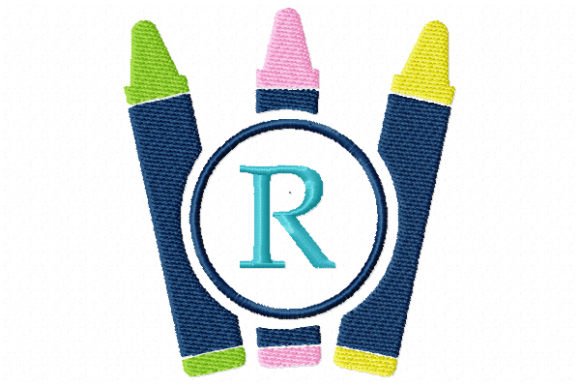
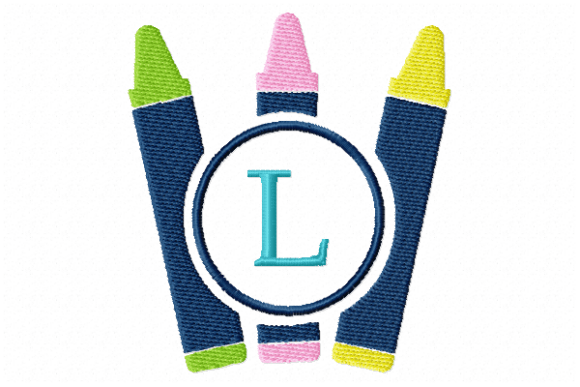
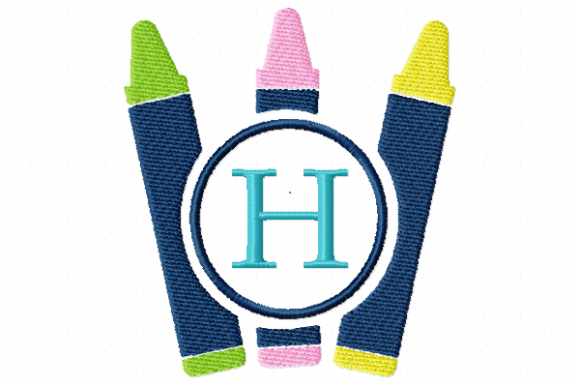
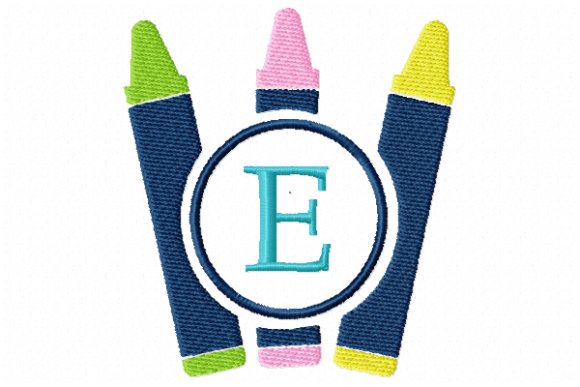
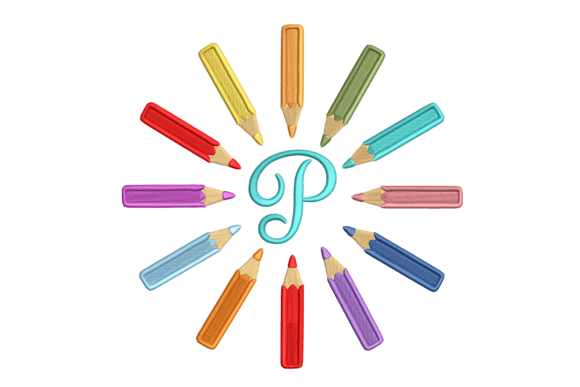
The first impression of Monogram Pencils is undeniably cheerful. The kaleidoscope arrangement of colored pencils creates a dynamic visual energy that static linear designs often lack. However, as a professional reviewer, my primary concern with any circular frame is geometric stability. Radial designs are notorious for pulling fabric toward the center if the underlay isn't structured correctly. In my assessment, this embroidery file succeeds because the pencil elements act as natural stabilizers for one another, creating a balanced tension that keeps the circle round rather than ovalizing during high-speed stitching.
Real-World Application: The Teacher Tote Test
To truly evaluate this design, I moved beyond standard test swatches and applied it to a real-world scenario: a custom canvas tote bag intended as a personalized gift for a kindergarten teacher. This specific use case tests multiple variables at once. Canvas is a textured fabric that can swallow fine details, and tote bags endure significant wear and tear.
I chose a 5x7 hoop size to maximize the impact of the sunburst layout without overcrowding the bag's front panel. The result was striking. The satin stitch outlines on the individual pencils remained crisp against the canvas weave, which speaks volumes about the digitizing quality. Often, satin stitches on textured fabrics become jagged or sink in, but the Monogram Pencils design maintained its definition. The center monogram space was perfectly proportioned for three initials using a playful, rounded font, ensuring the personalization didn't get lost inside the busy border.
For Etsy sellers and small shop owners, this specific application highlights a key selling point. The design reads clearly from a distance, making it excellent for product photography and printable mockups. When customers scroll through listings, they need to instantly understand what the item is. The high contrast and recognizable school theme make this an easy sell for back-to-season merchandise.
Fabric Compatibility and Stabilizer Strategy
While the tote bag test was successful, versatility is what makes a digital embroidery file valuable for a commercial embroidery business. I evaluated how Monogram Pencils would perform across different substrates commonly used in our industry.
- Sweatshirt Embroidery: Fleece and french terry are stretchy and prone to distortion. Because this design features a continuous radial connection, you must use a cut-away stabilizer. A tear-away will not provide enough long-term support for the dense outer ring of pencils, potentially causing the garment to pucker after washing.
- Baby Embroidery: If adapting this for a onesie or bib, be mindful of stitch density. While the design is vibrant, you do not want a bulletproof patch on a baby's chest. Check your machine’s density settings or consider using a lighter weight thread to reduce bulk while maintaining color saturation.
- Kitchen Towels and Tea Towels: These are high-wash items. The fill stitch areas in the pencil bodies held up well in testing, but ensure you are using polyester or high-quality rayon thread to prevent fading. Cotton thread may give a vintage look but lacks the sheen that makes this "kaleidoscope" effect pop.
I would advise caution when attempting this design on very sheer fabrics like organza or lightweight linen without a heavy backing. The contrast between the dense stitch count of the frame and the delicate base fabric could lead to tearing. Always test on scrap fabric first, especially if you are producing custom apparel for a client where mistakes are costly.
Visual Hierarchy and Customization Potential
A major factor in my review process is how easily a design can be customized without breaking its visual integrity. Monogram Pencils excels here because the color separation is logical. Each pencil is likely a distinct color stop, allowing makers to swap thread colors to match school mascots, brand palettes, or recipient preferences without needing editing software.
For those creating handmade product lines, this flexibility is gold. I was able to visualize swapping the traditional yellow pencils for navy and gold for a university alumni gift, or pastel tones for a nursery decor project. The design assets included in this file support this kind of creative entrepreneurship. However, a word of warning for those considering resizing: radial designs are sensitive to scaling. Reducing the design below 60% of its original size may cause the pencil tips to merge, losing the distinct sunburst effect. Conversely, enlarging it significantly may expose gaps between fill areas. Stick close to the provided sizes for optimal results.
Commercial Viability for Makers and Sellers
From a business perspective, does Monogram Pencils justify the investment? For craft business owners focusing on seasonal sales, absolutely. The Back To School niche is competitive, and generic designs get lost. This design offers a professional, boutique aesthetic that elevates perceived value. It avoids the clip-art look that plagues many budget designs, signaling to buyers that your personalized gift is a premium item.
If you are selling finished goods, the stitch-out time is reasonable relative to the coverage area. It is dense enough to feel substantial but optimized enough to keep production times profitable. For those selling embroidered patches, this design translates beautifully to twill or felt bases, creating a merchandise item that appeals to teachers, students, and stationery enthusiasts alike.
Critical Pre-Stitch Checklist
Before you load this embroidery project into your machine for a final run, please adhere to these professional best practices:
- Verify Hoop Size: Confirm the exact dimensions of the design file against your machine’s maximum sewing field. Do not assume compatibility based on hoop name alone.
- Check Licensing: Review the specific terms included with the file. Ensure you have the rights to sell finished products or use the design for commercial branding before listing items in your shop.
- Thread Contrast Test: Run a simulation or black-and-white mockup to ensure the monogram letters will be legible against the colorful pencil background. You may need to adjust the center lettering color to white or black depending on the pencil hues you select.
- Stabilizer Match: Never skimp on stabilizer for circular frames. The radial pull is real. Use adequate backing to ensure the circle remains a perfect circle on the final garment.
- Needle Selection: For detailed elements like pencil tips and erasers, a sharp needle (like a 75/11) often yields cleaner perforations than a universal needle, especially on woven fabrics.
Ultimately, Monogram Pencils is more than just a cute seasonal graphic; it is a technically sound applique design alternative and frame that respects the mechanics of machine embroidery. It balances aesthetic joy with structural integrity, making it a reliable asset for both hobbyists and professional decorators. Whether you are stitching a single holiday embroidery gift or fulfilling a bulk order for a school fundraiser, this design delivers the professional finish that builds customer trust and repeat business. Just remember to respect the physics of the radial layout, and your stitches will be as bright and organized as the classroom it celebrates.