Pink Geometry Compass with Pencil: A Stitch Review
As an embroidery designer who has tested thousands of digitized files for both personal crafting and commercial production, I approach every new machine embroidery design with a critical eye. It is not enough for a graphic to look good on a screen; it must translate into thread without puckering, breaking needles, or losing its charm after the first wash. When I first loaded the Pink Geometry Compass with Pencil into my software, I was looking for more than just a cute school supply motif. I was evaluating structural integrity, stitch flow, and marketability for my upcoming Back To School collection.
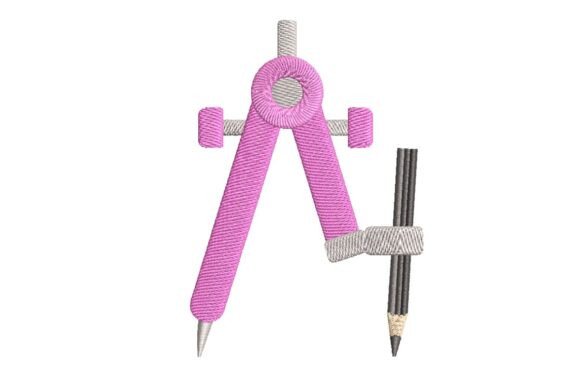
This specific design features a pink drafting compass with a pencil attached to one arm, symbolizing precision, mathematics, and technical drawing. While the theme is academic, the execution determines whether it belongs on a high-end boutique sweatshirt or ends up in the reject pile. Here is my honest assessment of how this design performs in real-world embroidery projects, from fabric selection to final customer presentation.
First Impressions and Design Personality
The immediate mood of the Pink Geometry Compass with Pencil is playful yet precise. The use of pink softens the typically rigid association with geometry tools, making it approachable for younger students, teachers, and STEM enthusiasts who appreciate a touch of whimsy. Visually, the layout is balanced. The diagonal angle of the compass creates dynamic movement, preventing the design from looking static or boxy when placed on garments.
From a digitizing perspective, I looked closely at the transition points between the metal compass body and the wooden pencil texture. A poorly digitized version would make these elements blend together into a muddy mess of thread. Fortunately, this design appears to utilize distinct fill stitch patterns to differentiate materials. This separation is crucial for visual clarity. If you are an Etsy seller or run a craft business, this level of detail matters because customers zoom in on product photos. They need to see that the pencil looks like wood and the compass looks like metal, even if rendered entirely in thread.
Real-World Application: The Custom Tote Bag Test
To truly evaluate this embroidery file, I stitched it out for a specific client project: a custom canvas tote bag intended as a gift for a middle school math teacher. Canvas is a fantastic medium for school-themed designs, but it also exposes flaws in stitch density. If the design is too dense, the heavy fabric will pucker; if it is too sparse, the canvas weave will show through, making the embroidery look cheap.
During the test run on a 12oz cotton canvas tote, the Pink Geometry Compass with Pencil performed admirably. The satin stitch outlines were crisp, providing a clean border against the textured background. However, I noted that using a cutaway stabilizer was non-negotiable here. While some might suggest tear-away for canvas, the complexity of the compass joints required the permanent support of a medium-weight cutaway to prevent distortion during the final trimming process.
The result was a professional finished product that felt substantial to the touch. For those creating personalized gifts or teacher appreciation items, this design strikes the right balance. It is specific enough to feel thoughtful ("I know you teach geometry") but stylish enough to be used daily rather than stored in a drawer. The pink colorway also helped distinguish it from generic navy blue or black school supplies often found in mass-market merchandise.
Fabric Compatibility and Technical Caution Zones
While the design succeeded on canvas, my review must address where it requires caution. Not all fabrics are created equal, and the Pink Geometry Compass with Pencil has specific limitations based on its geometry and likely stitch count.
- Stretchy Knits and Sweatshirts: This is a prime candidate for sweatshirt embroidery, but you must use adequate stabilization. The sharp angles of the compass can cause tunneling on fleece or french terry if the hoop tension is uneven. Always test on scrap fabric identical to your garment before committing to a retail item.
- Dark Fabrics: Because the design relies on a pink palette, contrast is key. On white or grey fabric, it pops beautifully. On dark navy or black, ensure the digitizer included underlay stitches to prevent the dark fabric from bleeding through the lighter pink threads. You may need to adjust thread colors to a brighter neon pink or add a white outline to maintain visibility.
- Small Hoop Sizes: Be wary of resizing this design down for baby clothes or sleeve cuffs. Drafting compasses have intricate hinges and tips. Reducing the size below 3 inches risks losing the definition of the pencil lead and compass needle. If you need a smaller version for baby embroidery, verify that the details remain open and do not become solid blocks of thread.
- Curved Surfaces: Placing this on a cap or curved pocket requires careful hooping. The linear nature of the compass means any skew in hooping will be immediately obvious. Unlike organic floral designs that hide alignment errors, geometric designs demand perfect placement.
Commercial Viability for Makers and Sellers
For small shop owners and creative entrepreneurs, the value of a digital asset lies in its versatility. Does the Pink Geometry Compass with Pencil offer enough ROI to justify adding it to your library? In my experience, yes, provided you target the right niche.
This design excels in the "academic aesthetic" category, which sees massive search volume during July and August. However, its utility extends beyond Back To School season. I can envision this working effectively for engineering firms needing branded polo shirts, tutoring centers creating staff uniforms, or stationery brands expanding into embroidered merchandise. The gender-neutral potential of the tool itself, combined with the specific pink colorway, allows for targeted marketing toward women in STEM fields—a growing and underserved demographic in apparel.
When listing this as part of a commercial embroidery lineup, avoid generic titles. Instead of just "School Embroidery," leverage specific keywords in your description like "Math Teacher Gift," "Geometry Student Apparel," or "Technical Drawing Patch." Use printable mockups that show the design on realistic textures. Since this is a vector-style illustration translated to thread, showing close-ups of the stitch texture builds buyer trust. Customers want to verify that the pencil shading isn't just a flat block of color.
Designer Notes for Best Results
Before you stitch out the Pink Geometry Compass with Pencil for a paid order or personal keepsake, run through this practical checklist derived from my testing:
- Verify File Specifications: Always check the included documentation for exact stitch counts and recommended hoop sizes. Do not assume compatibility with your machine’s maximum field without measuring the design in your editing software first.
- Thread Contrast Check: View the design in grayscale within your software. If the compass arm and the pencil body disappear into each other without color, the design lacks sufficient tonal contrast. Adjust thread shades to ensure readability.
- Stabilizer Matching: For woven fabrics like denim or canvas, a fusible cutaway offers the best registration for geometric lines. For knits, use a no-show mesh to prevent shadowing while maintaining stability.
- Licensing Confirmation: Before selling finished products featuring this design, confirm the license terms. Some designers allow unlimited physical sales but prohibit selling the digital embroidery file itself or using the image for digital-only print-on-demand services.
- Mockup Testing: Create black and white mockups alongside colored ones. This helps you evaluate the design's silhouette strength. If the shape reads clearly in monochrome, it will be recognizable from a distance on a crowded craft fair table or Instagram feed.
Final Verdict on Usability
The Pink Geometry Compass with Pencil is a robust, well-conceived design that bridges the gap between academic utility and modern style. It avoids the trap of looking childish while remaining fun enough for casual wear. For the experienced embroiderer, it offers satisfying technical stitching with clear payoffs in texture and definition. For the business owner, it serves as a reliable anchor product for seasonal collections and niche marketing campaigns.
Success with this design ultimately depends on respecting the relationship between the digitizing and the substrate. Treat the geometry with precision in your hooping and stabilization, and the resulting handmade product will reflect that same level of care. Whether you are stitching a single embroidered patch for a backpack or fulfilling a bulk order for a university department, this design delivers professional results when handled correctly. Just remember to test, stabilize appropriately, and let the clean lines of the compass guide your needle.