Classic Red Apple: A Craft Fair Staple Review
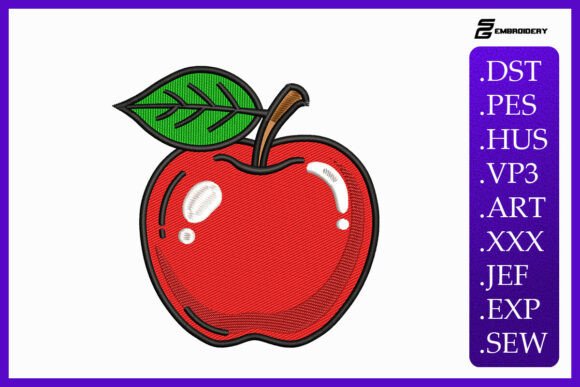
As an experienced embroidery designer preparing for the upcoming weekend craft fair season, I constantly evaluate which digital assets will translate best into physical sales. When reviewing the Classic Red Apple machine embroidery design, my immediate assessment is that this is a foundational staple rather than a fleeting trend. The first impression is undeniably timeless and versatile. It strikes a balance between nostalgic farmhouse charm and clean, modern simplicity. Unlike overly complex or cartoonish fruit designs, this classic aesthetic suggests quality and tradition, making it an ideal candidate for a wide range of handmade products. For Etsy sellers and boutique makers, this design signals reliability; it is the kind of motif that customers recognize instantly from across a booth display without needing to squint at tiny details.
Evaluating Market Viability Across Product Categories
When planning a table display, versatility is key to maximizing return on investment for your time and materials. The Classic Red Apple excels because it adapts seamlessly to multiple substrates commonly found at artisan markets. As a tote bag design, it serves as a perfect centerpiece. Canvas totes are high-volume sellers, and a bright, bold apple provides excellent contrast against natural cotton or cream fabrics. Customers often look for reusable market bags that feel organic yet polished, and this design delivers that specific visual cue.
For apron embroidery, the design performs exceptionally well when placed on the chest pocket area or centered on the bib. Aprons are functional gifts for bakers and gardeners, and the apple motif reinforces the connection to fresh food and home cooking. Similarly, tea towel embroidery benefits from this design’s clarity. Kitchen linens require motifs that remain legible after repeated washing and folding. Because this apple design focuses on recognizable shape and color rather than intricate shading, it maintains its integrity on linen and flour sack cotton better than denser, more photorealistic alternatives.
Beyond textiles, consider the potential for embroidered patches. If you have scrap fabric and stabilizer left over from larger projects, running this design as a standalone patch creates a low-cost add-on item for your booth. Patches appeal to younger demographics and collectors, effectively turning waste material into revenue. Additionally, this design works beautifully for teacher gifts and baby clothes, expanding your target audience beyond just kitchenware buyers. However, always verify the specific dimensions of your embroidery file before committing to smaller garments like onesies to ensure the scale remains appropriate.
Production Practicalities and Booth Display Strategy
From a production standpoint, the Classic Red Apple is a dream for batch manufacturing. Its likely moderate stitch density means faster run times compared to heavily filled backgrounds, allowing you to produce more inventory in less time. This efficiency is crucial when stocking up for a busy holiday market. The design photographs exceptionally well for online listings and printable mockups. The high contrast of red thread against neutral backgrounds creates images that pop in small thumbnail sizes on mobile devices, which is essential for driving traffic to your Etsy shop or social media pages.
In a physical booth setting, visual hierarchy matters. This design acts as a strong anchor piece. I recommend displaying it on a variety of items at different eye levels to demonstrate its versatility. A framed hoop sample showing the finished product next to a functional tote bag helps customers visualize the design in their own homes. The universal recognition of an apple reduces cognitive load for shoppers; they do not have to decipher what the image is, allowing them to focus immediately on the quality of your stitching and the utility of the item. This instant recognition directly correlates to higher engagement and impulse purchases.
Critical Technical Considerations for Professional Results
While the Classic Red Apple is user-friendly, professional results require attention to technical variables. Before listing any commercial embroidery items for sale, you must address substrate compatibility. Dark fabrics can be problematic if the design lacks an underlay or white base layer; red thread on black canvas may appear muddy or sink into the weave. Always test on dark scraps first. Furthermore, textured towels present a challenge. If the terry loops are too high, they can poke through the satin stitches of the apple outline. Using a water-soluble topping is non-negotiable here to keep the design crisp and professional.
Stabilizer selection is equally important. For stretchy knits used in baby clothes or t-shirts, a cut-away stabilizer is mandatory to prevent distortion during wear and washing. For woven tea towels, a tear-away may suffice, but always check the fabric texture and weight. Regarding sizing, avoid reducing this design below its recommended minimum threshold. Small lettering or fine stem details can become illegible or cause needle breaks if scaled down too aggressively. Always confirm the hoop size requirements in your software before purchasing or stitching to ensure your equipment can accommodate the design dimensions.
Designer Notes for Quality Assurance and Licensing
As a business owner protecting your brand reputation, never skip the testing phase. Create at least one physical mockup using the exact thread colors and materials you intend to sell. Digital renderings often fail to capture how light reflects off rayon or polyester threads in natural lighting. Compare your test stitch-out against various fabric swatches to ensure the red hue complements rather than clashes with your inventory palette. Check spacing and alignment; even a millimeter of misregistration can make a simple apple look amateurish.
Finally, review the licensing terms associated with your digital embroidery file. While many designers allow the sale of finished physical products, some restrict mass production or require attribution. Clarify these terms before investing in bulk materials. Also, inspect the design assets for any included variations or bonus files that could add value to your product line. By treating the Classic Red Apple not just as a pretty picture but as a strategic business asset, you elevate your handmade shop from a hobbyist endeavor to a professional brand. This thoughtful approach to design selection, technical execution, and market positioning is what ultimately separates successful craft fair vendors from the rest.