Retro Backpack Patch: A Designer’s Apparel Review
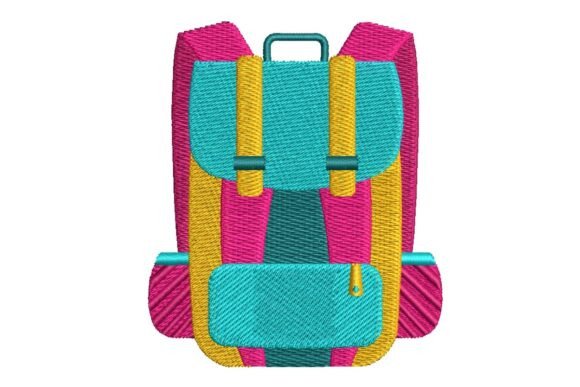
As an embroidery designer constantly scouting for fresh aesthetics for boutique apparel collections, I frequently browse Creative Fabrica embroidery libraries to find designs that translate well from screen to garment. When evaluating the Retro Backpack Patch for potential inclusion in a seasonal sweatshirt and hoodie lineup, my primary focus is on how the digitizing interacts with apparel fabrics rather than just its visual appeal as a standalone graphic. This machine embroidery design features vibrant, bold 80s-inspired hues that immediately suggest a playful, nostalgic mood. However, for those of us running small clothing brands or Etsy shops, the true test lies in stitch performance, fabric compatibility, and commercial viability. Here is my professional assessment of using this design for custom apparel projects.
Visual Personality and Boutique Brand Alignment
The first impression of the Retro Backpack Patch is undeniably energetic. The bold color palette leans heavily into retro trends, making it an excellent candidate for Back To School collections or vintage-inspired lifestyle brands. From a design judgment perspective, the vibrancy serves as a strong focal point, which is crucial for social media graphics and printable mockup presentations. For a boutique brand, this level of visual personality helps establish immediate product recognition. It does not feel overly delicate or feminine; instead, it carries a unisex, casual confidence that appeals to a broad demographic.
When planning a collection, I look for designs that offer versatility. This embroidery file suggests a decorative strength that works beautifully on neutral sweatshirts, where the 80s hues can pop against cream, grey, or black fleece. Conversely, placing this design on pastel hoodies creates a softer, more curated aesthetic that aligns with current slow-fashion trends. For digital sellers and creative entrepreneurs, this visual adaptability means one digital embroidery file can support multiple product variations, maximizing the return on your design sourcing efforts.
Performance on Sweatshirts and Hoodie Designs
Sweatshirt embroidery presents unique challenges due to the loft and stretch of fleece fabrics. In reviewing the Retro Backpack Patch for hoodie design applications, I am particularly attentive to how the bold colors and likely satin or fill stitches will sit on textured surfaces. The design appears robust enough to handle the pile of standard heavyweight fleece without getting lost, which is a common failure point for less dense machine embroidery designs.
For chest placement on oversized garments, this design offers substantial visual weight. It avoids looking like an afterthought, which is vital for maintaining perceived value in handmade products. I also envision this working exceptionally well as a back print accent on denim jackets or tote bags. The retro theme naturally complements denim textures, creating a cohesive finished product that feels intentional rather than slapped on. For Etsy sellers focusing on personalized school gear or travel accessories, this cross-category application increases the design's utility significantly.
Navigating Fabric Texture and Stabilizer Choices
While the visual style is promising, practical execution requires careful stabilizer selection. Because the Retro Backpack Patch utilizes vibrant thread colors that likely involve high stitch density to achieve opacity, using the correct backing is non-negotiable. On stretchy ribbed cuffs or lightweight t-shirt knits, there is a risk of puckering if the stabilizer is insufficient. I strongly advise testing on scrap fabric that matches your production garment weight before committing to bulk stitching.
For dark garments, ensure the underlay is adequate to prevent the fabric color from bleeding through the bright 80s threads. If you are applying this to curved surfaces like sleeve accents or pre-assembled hoodie chests, verify your hoop size allows for proper tension without distorting the garment shape. Distortion during hooping often leads to registration issues in multi-color designs, which can ruin the professional presentation essential for commercial embroidery success.
Commercial Viability for Small Shop Products
For handmade business owners, every design choice impacts buyer trust and brand identity. The Retro Backpack Patch possesses a polished, trendy quality that elevates simple blanks into desirable merchandise. In lifestyle product photos, the bold hues photograph well, reducing the need for excessive post-processing. This is a significant advantage for small shop products where marketing resources are limited. A design that looks premium in person and translates accurately to digital listings reduces return rates and builds customer engagement.
However, professional presentation also depends on technical accuracy. Before listing any finished product, confirm the specific licensing terms within the Creative Fabrica product details. Ensure you have the rights to sell physical embroidered items derived from this file. Additionally, check the exact dimensions and stitch count. While the visual size may seem appropriate for a youth sweatshirt, the actual hoop size requirements might necessitate scaling adjustments. Always respect the digitizer's intended parameters to maintain stitch integrity.
Critical Placement Considerations
There are specific areas where I would exercise caution with this design. Due to the bold nature of the artwork, tiny lettering or intricate internal details (if present) may not render clearly on high-pile fleece or terry cloth. If your target apparel includes textured towels or heavy napped fabrics, consider a topping to keep stitches visible. Furthermore, avoid placing dense sections of this design directly over thick seams or side gussets, as needle deflection can cause thread breaks or uneven coverage.
For t-shirt embroidery, assess the drape. A design with high stitch density can make lightweight jersey knit hang stiffly. If the Retro Backpack Patch is particularly dense, reserve it for heavier cotton tees or limit placement to smaller chest logos rather than full-center graphics. Testing on similar garment fabric is the only way to guarantee the hand-feel remains comfortable for the wearer. Comfort drives repeat sales just as much as aesthetics.
Designer Notes for Production Success
To integrate this design successfully into your apparel line, follow these practical steps:
- Verify Specifications: Confirm hoop size, stitch count, and format compatibility with your machine before purchasing. Do not assume standard sizing.
- Thread Color Matching: Review thread colors against your inventory. The 80s-inspired hues may require specific neon or variegated threads to match the digital preview accurately.
- Stabilizer Protocol: Use cut-away stabilizer for stretchy knits and tear-away for stable wovens. Test tension on scrap fabric first.
- Mockup Accuracy: When creating printable mockups for Etsy listings, adjust the digital overlay to reflect realistic stitch texture. Misleading flat vector mockups can damage buyer trust.
- Licensing Compliance: Double-check commercial use limits. Some licenses restrict mass production or require attribution.
- Placement Testing: Hoop a sample garment to test placement relative to seams, pockets, and necklines. Mark center points precisely to ensure visual consistency across your collection.
The Retro Backpack Patch represents a strong opportunity for apparel decorators seeking to capture the nostalgic market segment. Its bold character suits the current demand for expressive, personalized fashion. By approaching this machine embroidery design with technical diligence and strategic placement planning, you can transform a digital file into a profitable, high-quality boutique offering. Remember that in the world of custom apparel, the difference between a hobbyist craft and a professional brand lies in the meticulous attention to fabric behavior, stitch quality, and consistent execution. Use this review as a framework to evaluate not just this design, but future acquisitions for your commercial embroidery portfolio.